
Overview
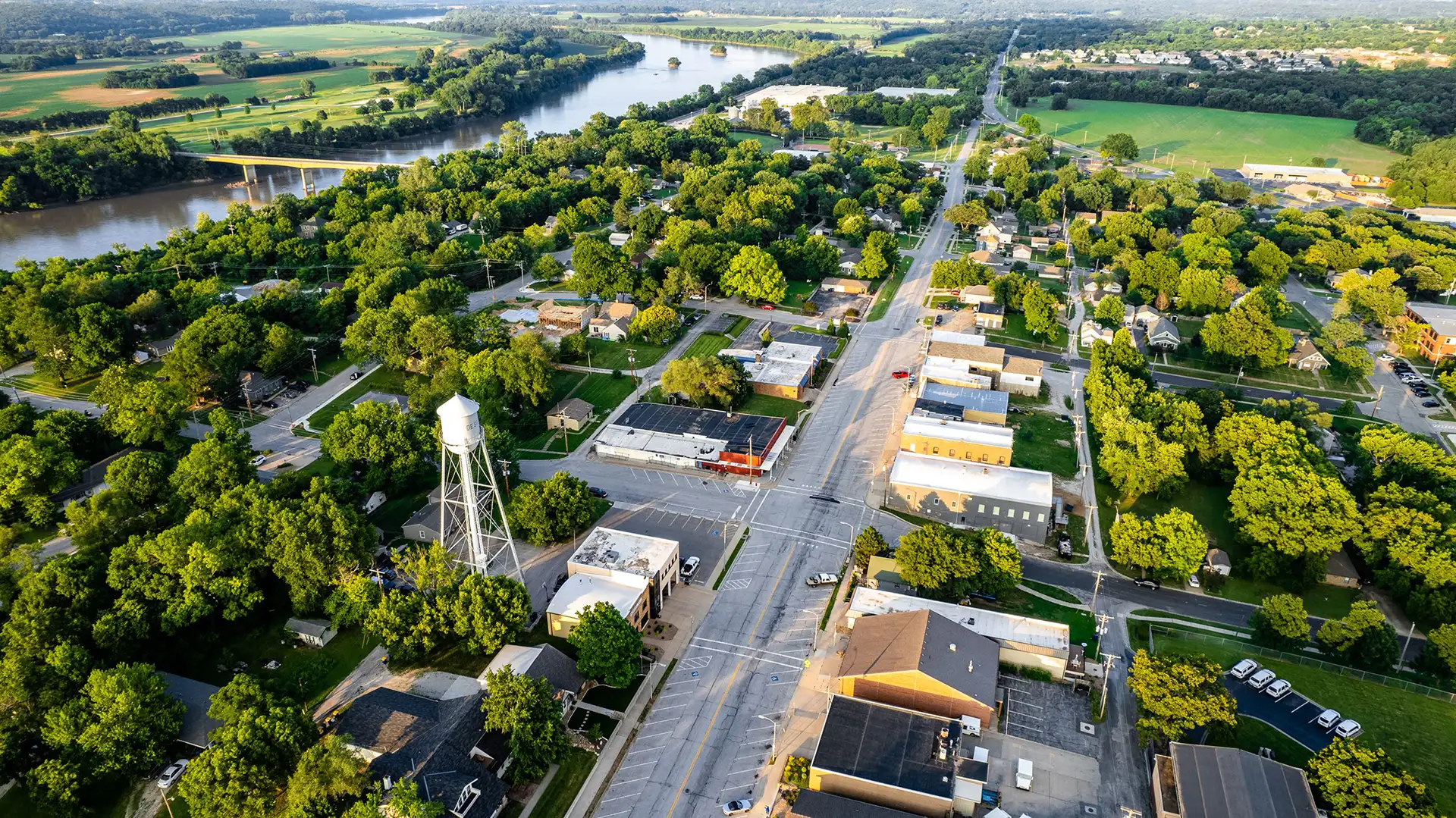
The De Soto data center project is a multi-building data center campus located south of K-10 in De Soto, Kansas, within a planned industrial area adjacent to the Sunflower Ammunition Plant site. The project represents investment in existing industrial corridors, maintaining clear separation from residential neighborhoods, while activating property already designated for industrial use.
From the outset, planning has focused on maintaining compatibility with surrounding land uses, protecting nearby environmental features, and ensuring the project delivers long-term fiscal benefit to the community.
As one of Johnson County’s largest private investments, the project is expected to generate substantial ongoing tax revenue, strengthen local infrastructure, and provide permanent employment, without increasing demands on municipal services.
Project Snapshot
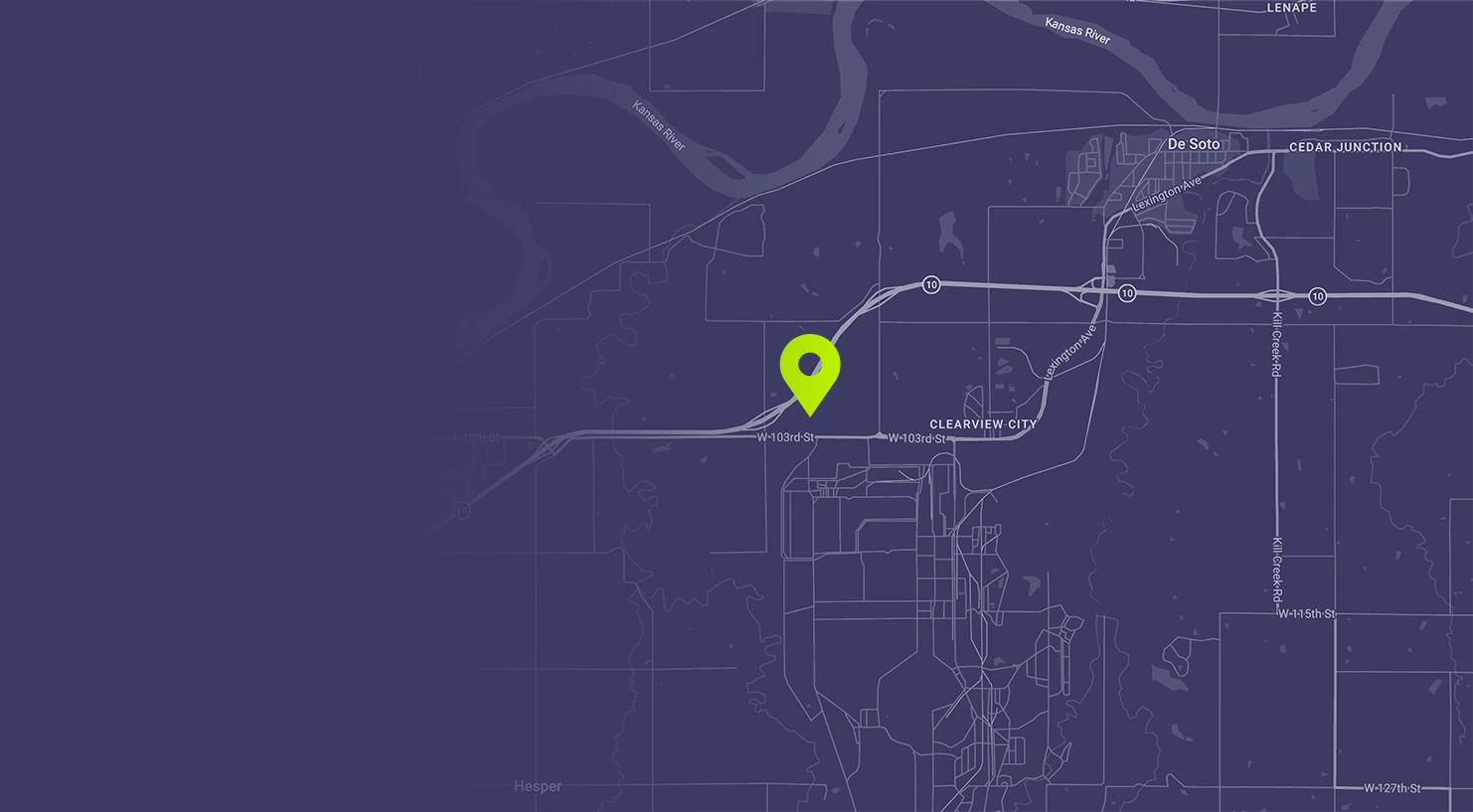
Location
City of De Soto, Kansas
South of K-10
Approximately 45 minutes southwest of Kansas City International Airport
Economic Significance
First hyperscale data center development announced in the state of Kansas
Significant long-term investment in legacy industrial site
Utility Providers
Electric service provided by Evergy
Water service provided by Rural Water District #7 and the City of De Soto
Wastewater service provided by the City of De Soto
Campus Design
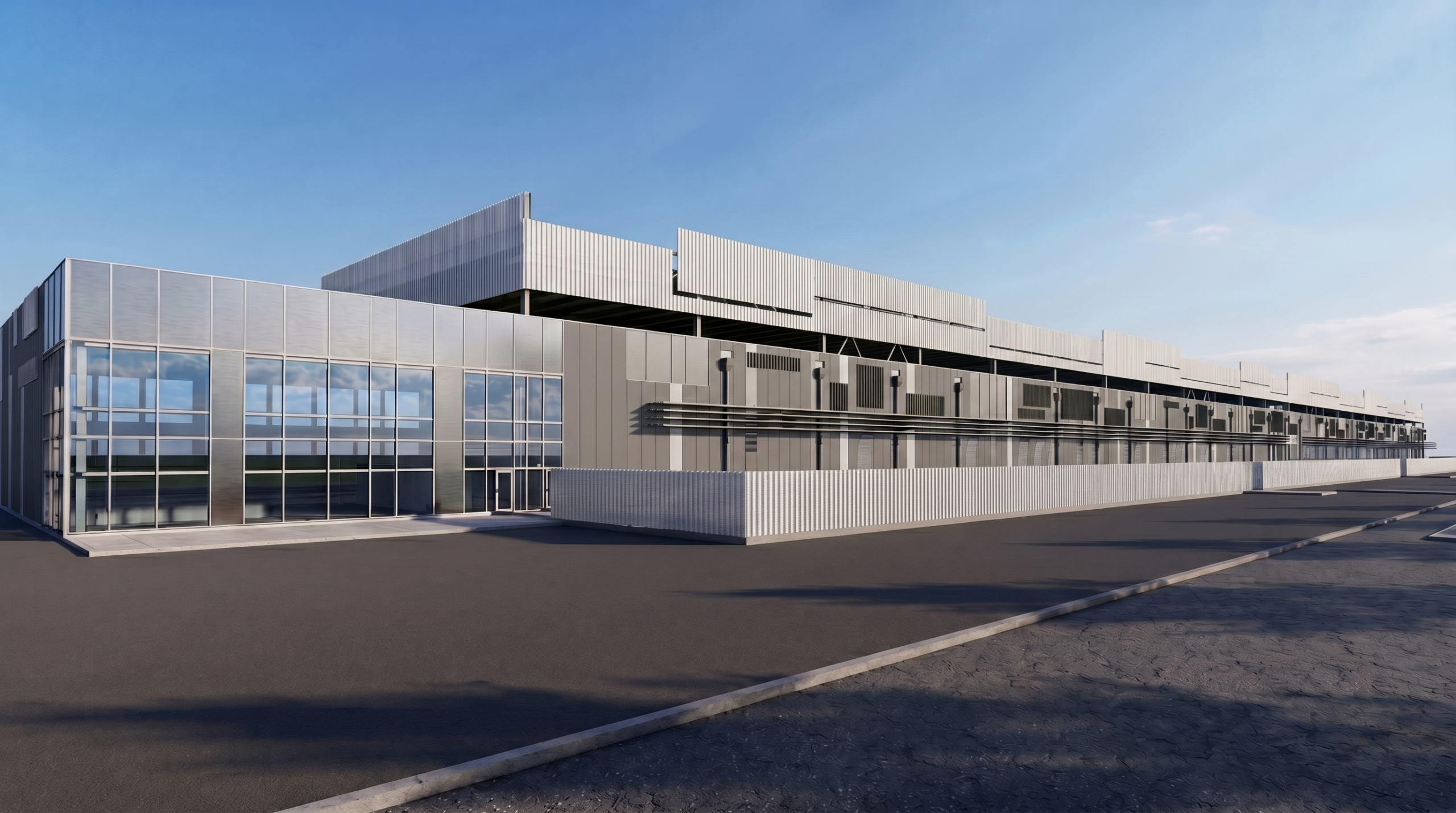
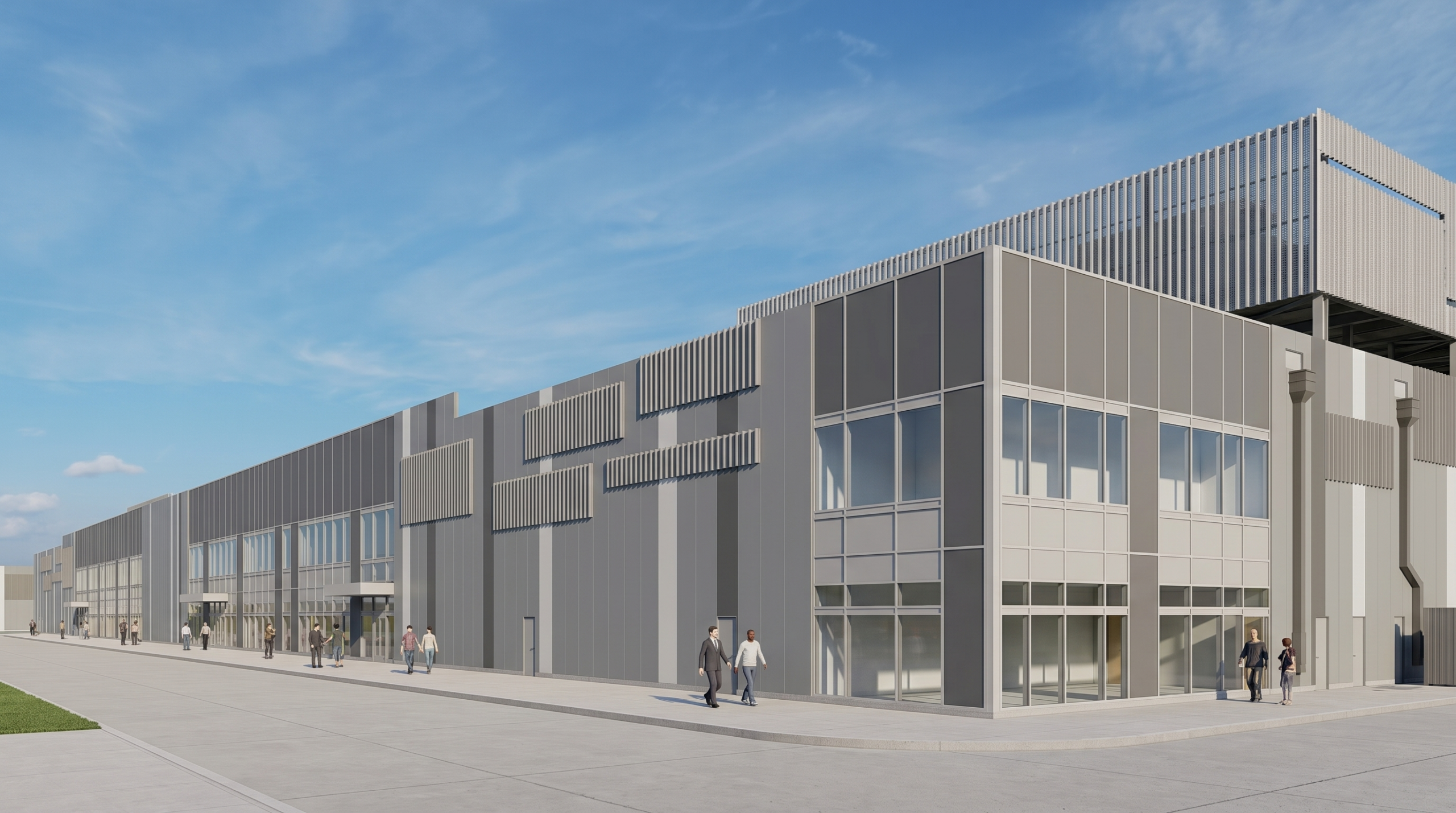
Phased hyperscale data center campus with a minimum of four data center buildings, plus supporting facilities
Community Benefits
Tax
Revenue
The project is structured to generate substantial long-term public revenue for De Soto and surrounding taxing jurisdictions. Even during the authorized Industrial Revenue Bond property tax abatement period, the project will make Payments in Lieu of Taxes (PILOTs) on a per-square-foot basis. After abatements expire, the project becomes fully taxable.
In addition to property-related payments, the project will generate franchise fees from electricity sales, currently capped at $5.5 million annually and gradually increasing over time. At full buildout, franchise fees alone are expected to exceed the City’s current annual property tax revenue.
Infrastructure Improvements
All infrastructure upgrades required specifically for the project, including roads, power, water, and wastewater improvements, will be privately funded by Beale. These improvements will support the project while strengthening long-term infrastructure capacity and reliability in the area.
Primary access will be provided from 103rd Street, with future secondary access from Edgerton Road to support emergency access and operational resiliency.
New
Jobs
Construction activity is expected to support hundreds of contractor and trade positions during buildout. Once operational, the initial phase is expected to support approximately 50 full-time, on-site roles, with additional positions added as future phases are developed. Average salaries are expected to exceed $75,000 annually, plus benefits.
Ongoing operations will also generate continued demand for local service providers, including electrical, HVAC, security, landscaping, janitorial, food service, and general maintenance services.
Community
First
The De Soto data center project is designed to generate significant long-term tax revenue while placing relatively limited demand on municipal services. Data centers have minimal impacts on school classroom sizes, require limited day-to-day public services like police, medical or fire response, and produce minimal traffic compared to residential, retail or other commercial developments.
Site Plan
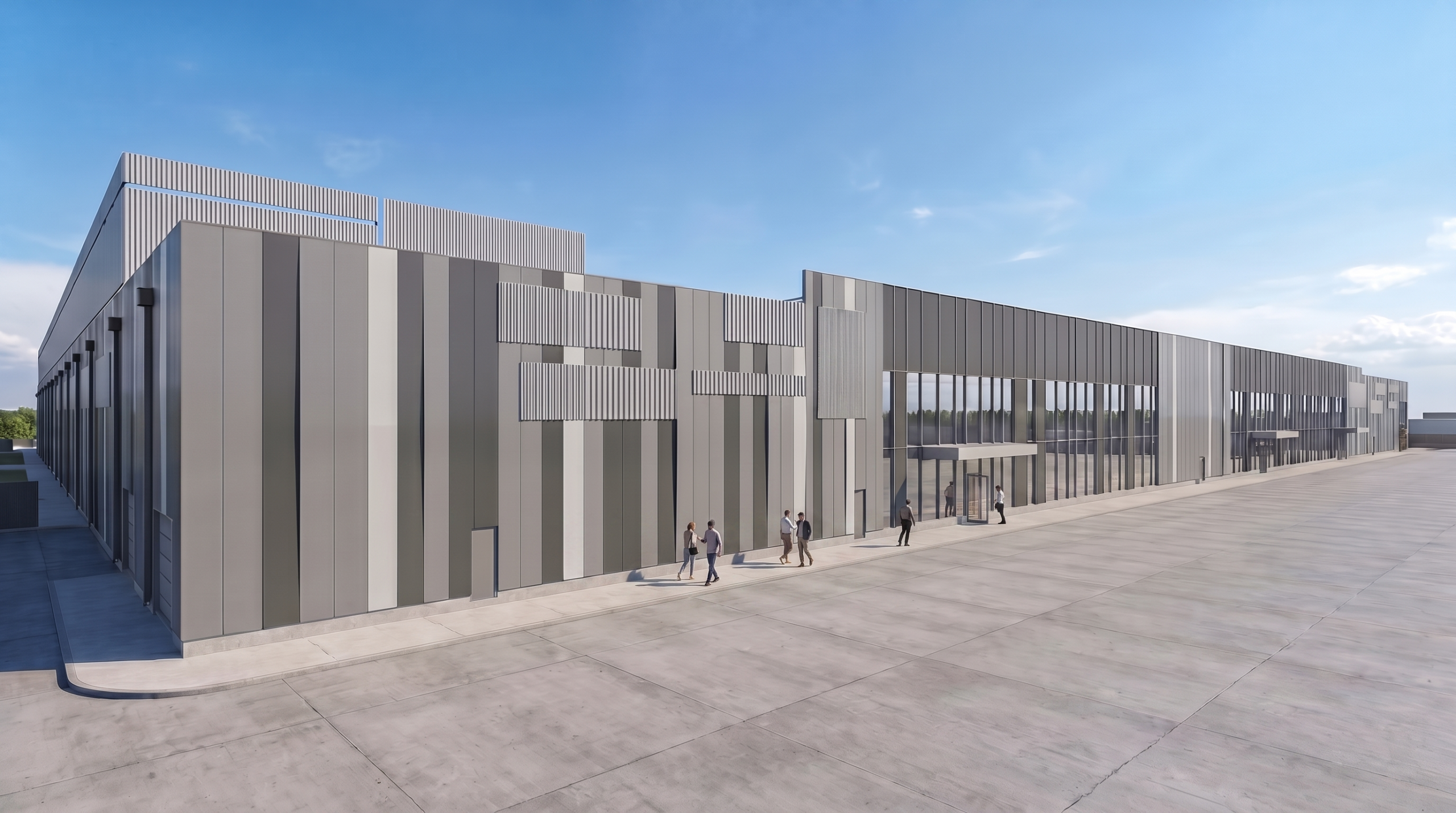
The campus is designed to maintain compatibility with surrounding land uses and preserve separation from residential areas. The nearest home is located more than half a mile from the first phase of the planned data center buildings.
Building heights will not exceed the screening wall height and zoning codes unless modified through a public approval process. Access is designed to utilize existing industrial corridors while maintaining physical separation from residential neighborhoods.
The design meets the City of De Sotoʼs sound level requirements, which imposes strict daytime and overnight limits.
The facility is also designed to operate within the areaʼs existing ambient sound environment that is influenced by K-10 traffic and surrounding industrial activity.
Exterior lighting will follow Dark Skies–compliant practices, using shielded, downward-facing fixtures to prevent glare or spillover beyond the site.
Additional Project Detail
Project Timeline
2026
April 2026
Planning Commission Hearing
Spring 2026
Construction Start
2027
2028
2029
2029
Phase 1 Completion