

Data centers are not built randomly.
Their location is driven by a combination of practical factors that determine whether a site can support reliable, long-term operation. While the buildings themselves may look similar from the outside, where they are located plays a major role in how well they perform.
Access to Power
One of the most important factors in choosing a location is access to electricity.
Data centers require a consistent and reliable power supply to operate. This means they are typically built in areas where the electric grid has the capacity to support new infrastructure and where utilities can provide long-term service.
In some cases, additional planning is required to ensure that power can be delivered reliably as demand grows.
Connectivity and Fiber Networks
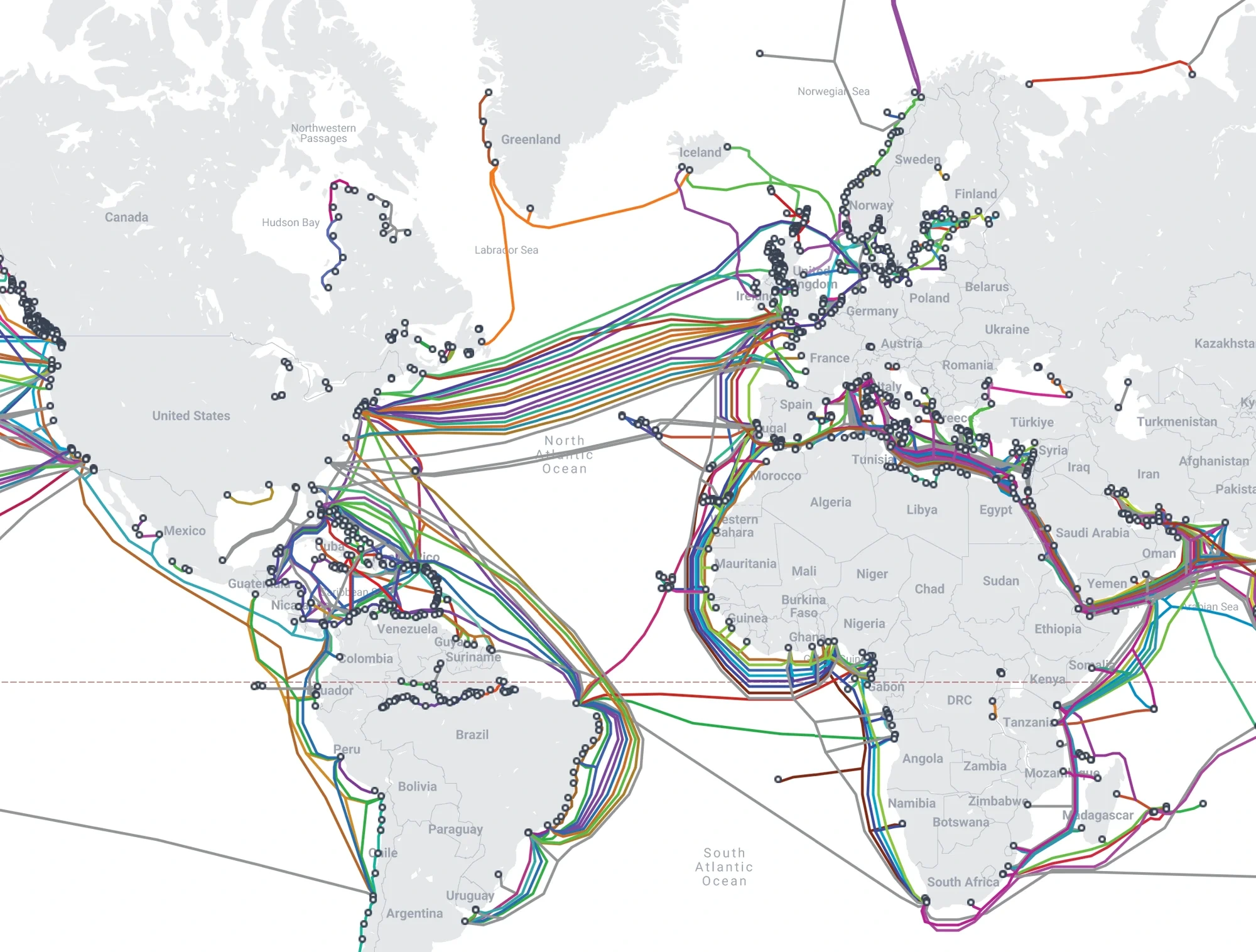
Data centers also depend on strong network connectivity. Network connectivity refers to the systems that allow information to move between devices, services, and locations through high-speed data connections.
Information moves between users and data centers through fiber networks. Locations with established connectivity allow data to travel quickly and reliably, which supports the performance people expect from digital services.
This is one reason data centers are often located near existing network infrastructure or in areas with strong connectivity between regions.
Proximity to Users
In many cases, data centers are located closer to where people live and work.
Shorter distances between users and data centers can help improve the speed and consistency of digital services. This is particularly important for applications that rely on real-time interaction. For example, getting directions on your phone, joining a video call, or streaming live content all depend on real-time interaction.
As communities grow, the infrastructure supporting them often expands as well.
How Sites Are Selected and Planned
Data centers are typically built in areas that are already designated for commercial or industrial use.
Local zoning plays a central role in where projects can be developed. These areas are intended to support infrastructure, utilities, and other types of non-residential activity.
Within those zones, site planning focuses on how a project fits into its surroundings. This includes working within existing infrastructure, maintaining appropriate setbacks, and aligning with local requirements for access, safety, and long-term use.
Developers also plan for how facilities operate over time. Buildings and systems are designed to manage sound, maintain consistent operations, and integrate with the surrounding environment. Site layouts often include spacing, orientation, and buffering that help separate the facility from nearby roads or neighboring properties.
Why It Matters
Location affects how efficiently a data center can operate and how reliably it can support the services people use.
Access to power, connectivity, and infrastructure all play a role in determining whether a site can support long-term demand. These considerations also influence how projects are integrated into existing communities, including how sites are positioned and how facilities operate over time.
Data center locations are based on a set of practical requirements rather than a single factor.
Understanding how power, connectivity, and access influence these decisions helps explain why data centers are built in certain areas and how they support the systems people rely on every day.