
Ordering something online or scheduling a delivery feels simple.
A few clicks, a confirmation, and an expected arrival time. But behind that experience is a coordinated set of systems working together to process orders, track inventory, and move goods from one place to another.
Most of that coordination happens in the background, but it plays a key role in how quickly and reliably products reach customers.
From Order to Fulfillment
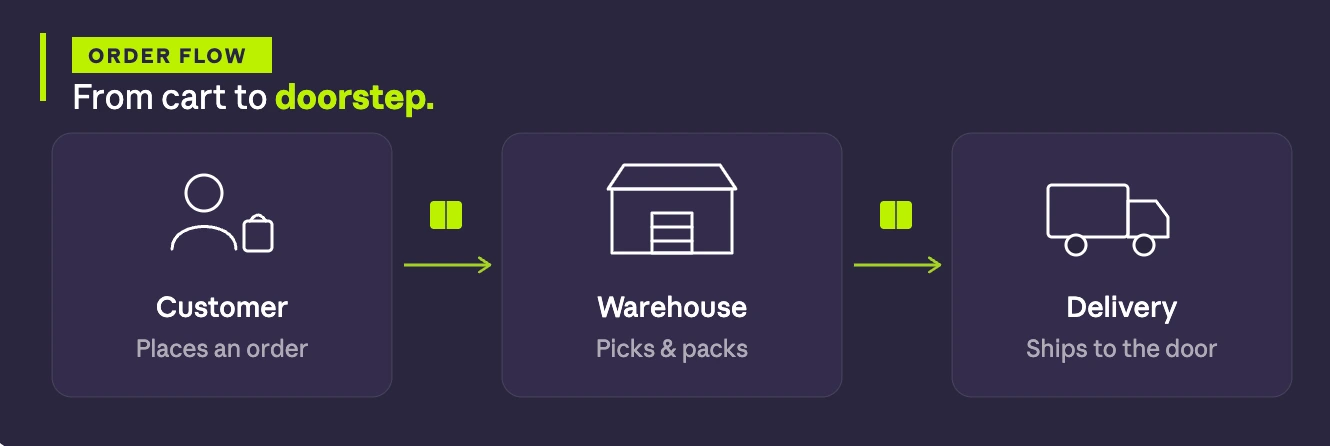
When an order is placed, it moves through systems that confirm payment, check inventory, and determine where the item will be shipped from.
These systems connect retailers, warehouses, and logistics providers, allowing them to process large numbers of orders efficiently. What appears to be a simple transaction often involves multiple steps happening in sequence.
Without this coordination, even routine orders would take longer to process and fulfill.
Tracking and Movement
Once an item is in transit, tracking systems allow businesses and customers to follow its progress.
Shipping routes, delivery schedules, and real-time updates help ensure items move efficiently through the system. This coordination helps reduce delays and provides better visibility into when deliveries will arrive.
For customers, this shows up as predictable delivery windows and the ability to track orders along the way.
Supporting Local Businesses
These systems are not limited to large companies. Many small and local businesses rely on the same infrastructure to manage online orders, coordinate deliveries, and reach customers beyond their immediate area.
This allows businesses to expand how they operate while maintaining the same level of service customers expect.
Why It Matters
When these systems work well, goods move predictably and efficiently. Orders are processed quickly, deliveries arrive on time, and businesses can keep up with demand.
When they do not, delays, missed deliveries, and confusion can follow.
Digital infrastructure helps reduce these disruptions by keeping information and operations connected across each step of the process.
From placing an order to receiving a delivery, modern commerce depends on coordination at every step.
Most of that coordination happens through systems that remain out of sight, but they play an important role in keeping goods moving and businesses running.