

Healthcare today depends on more than doctors, nurses, and hospitals. It also depends on how quickly and reliably information can move.
Patient records, test results, imaging, prescriptions, and communication between providers all rely on digital systems working in the background. These systems help healthcare teams make decisions, coordinate care, and respond more quickly when it matters most.
Most patients never see this infrastructure, but they benefit from it every day.
Access to Information
Modern healthcare relies on access to accurate, up-to-date information. Electronic health records allow providers to review patient history, medications, allergies, and prior treatments in one place.
This makes it easier to avoid errors, reduce duplicate testing, and provide more consistent care across different locations.
When information is accessible and reliable, care becomes more connected.
Coordination Across Providers
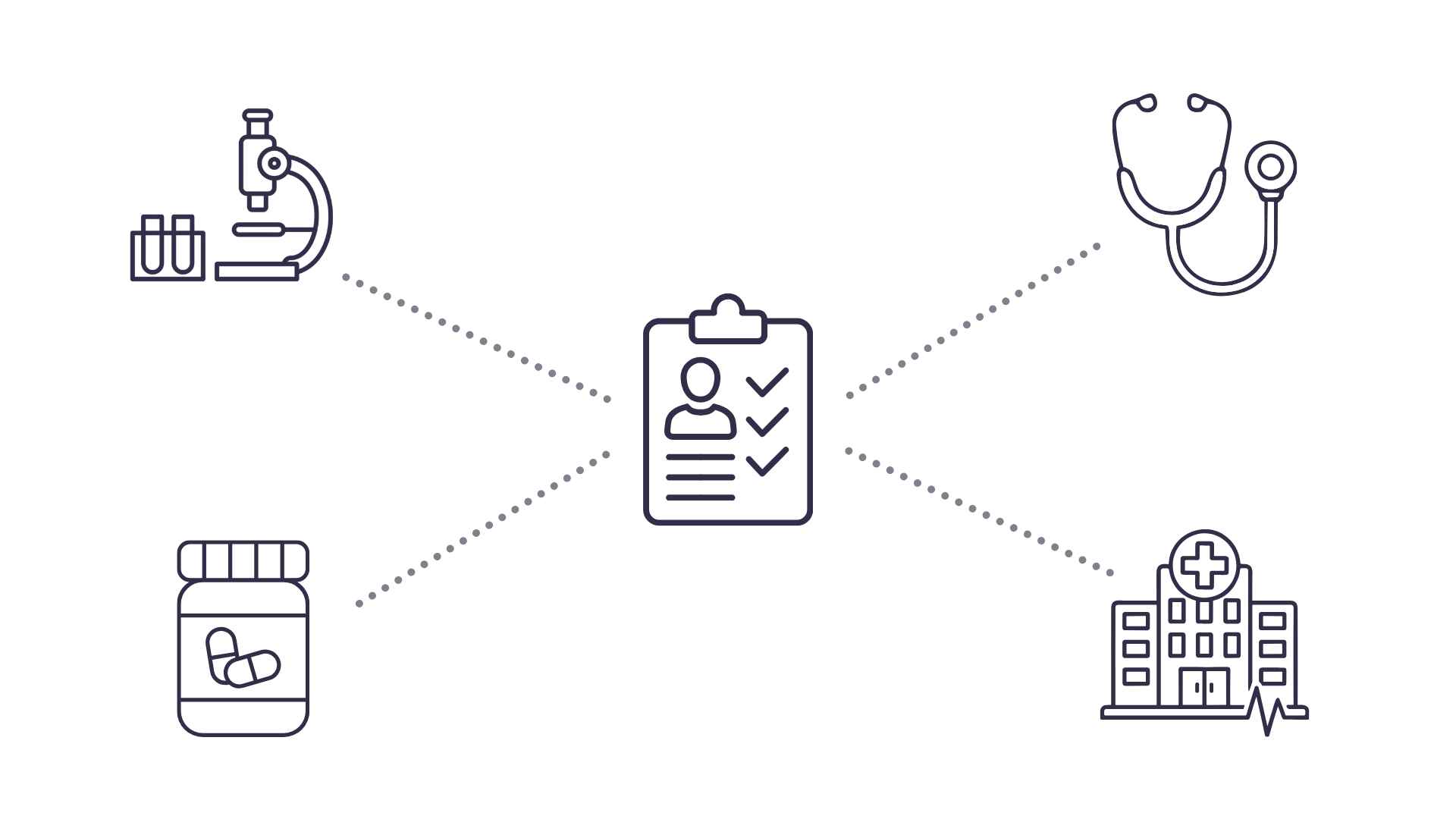
Healthcare often involves multiple teams working together. A patient may see a primary care physician, a specialist, a lab, and a pharmacy within a short period of time.
Digital systems help coordinate this activity by allowing providers to share updates, test results, and treatment plans quickly. This reduces delays and helps ensure that everyone involved has the same information.
For patients, this shows up as fewer gaps in care and more consistent communication.
Expanding Access to Care
Digital systems also make it easier for patients to access care without always needing to travel.
Telehealth appointments, remote consultations, and secure messaging allow patients to connect with providers from home. This is especially important in rural or underserved areas, where access to specialists may be limited.
These tools do not replace in-person care, but they extend access and make it easier to stay connected.
Why It Matters
When healthcare systems are connected, care can move faster and more efficiently. Providers can make better decisions with better information. Patients spend less time waiting and repeating the same information.
When systems are not connected, delays increase, communication breaks down, and care becomes harder to manage.
Reliable digital infrastructure helps reduce these gaps and supports more consistent care across communities.
Healthcare will always depend on people. But increasingly, it also depends on the systems that support how information is shared, accessed, and used.
Most of that infrastructure remains out of sight, but it plays a central role in helping communities receive timely, coordinated care close to home.