
When a large data center is proposed, much of the discussion focuses on what the facility will require from the community.
What is less often discussed is what must be built or upgraded before that facility can operate.
Data centers depend on power, water, transportation, and connectivity systems. In many cases, those systems are expanded or modernized as part of the development process.
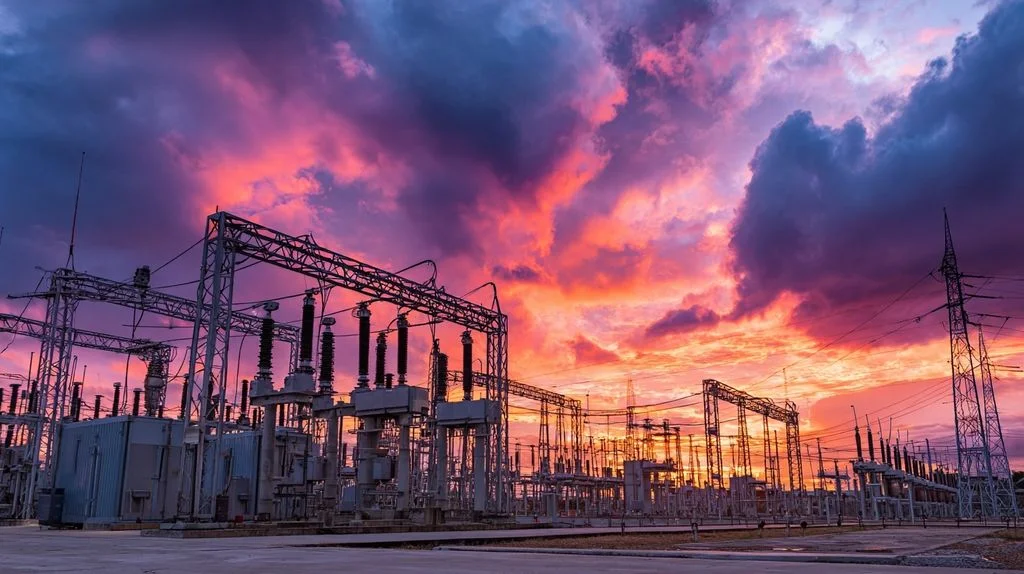
Strengthening the Power Grid
Access to reliable electricity is one of the most important factors in data center development.
To support this demand, utilities often invest in new substations, upgraded transmission lines, and modernized distribution systems – especially if the existing electrical infrastructure is aging or in need of necessary repairs. These are not short-term fixes. They are long-term investments designed to increase the overall capacity and reliability of the grid.For example, in West Des Moines, Microsoft’s data center development has been supported by major utility investments in transmission and substation infrastructure. These upgrades were designed to support not just the facility, but the long-term growth of the region.
Water and Wastewater Systems
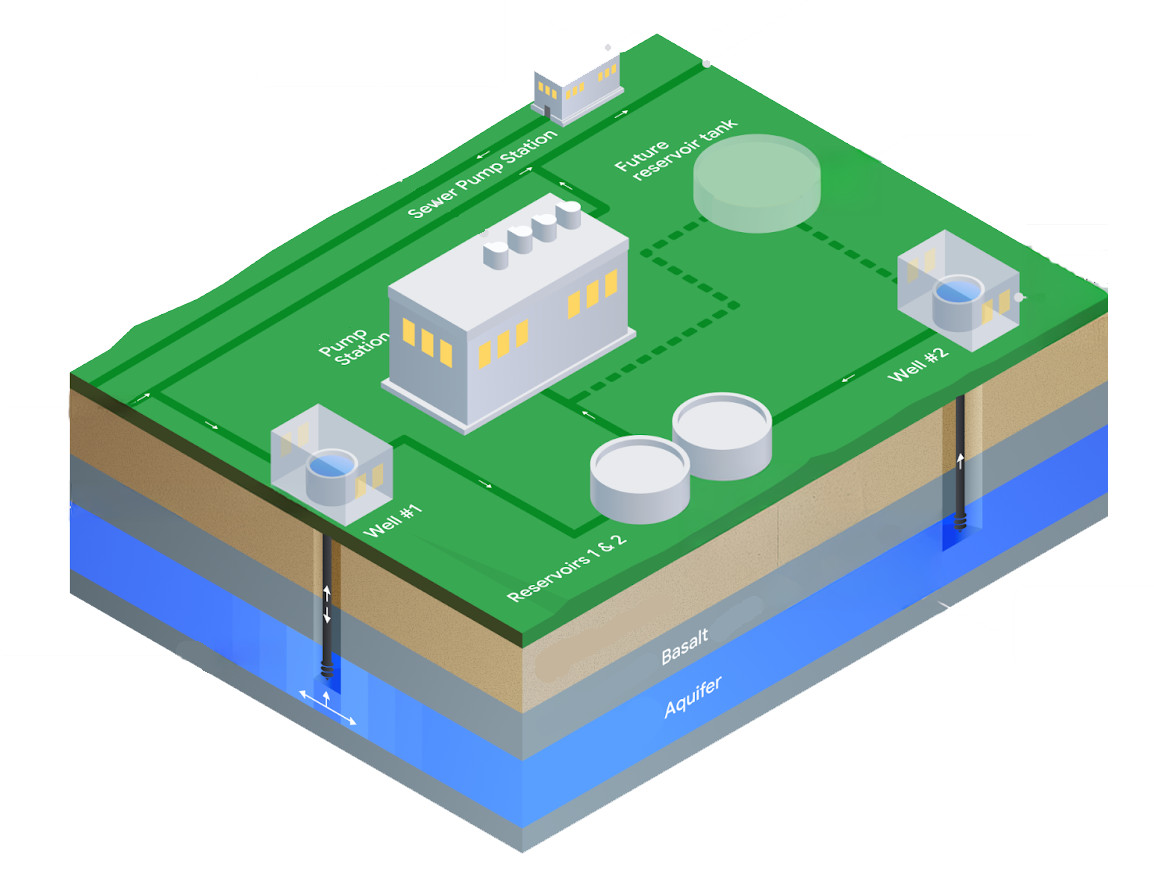
Data centers require access to water systems depending on how they are designed and cooled.
In some communities, this has led to upgrades in water treatment capacity, wastewater systems, and distribution infrastructure. These improvements are typically planned with long-term demand in mind.In The Dalles, Google worked with local officials to support investments in wastewater treatment and broader water infrastructure. These upgrades helped expand system capacity beyond the needs of a single facility and supported continued growth in the area.
Roads and Transportation Access
Large-scale development requires reliable access for both construction and long-term operations.
This often results in improvements to local roads, intersections, and access routes. In some cases, infrastructure is reinforced or expanded to support heavy equipment and increased traffic during construction.
In Umatilla County, data center development has been accompanied by road and transportation upgrades to support both construction activity and ongoing access to the sites.
These improvements can remain in place long after construction is complete and become part of the area’s broader transportation network.
Expanding Connectivity
Data centers rely on high-speed network connections, often delivered through fiber infrastructure.
Fiber refers to cables that transmit data using light, allowing for fast and reliable communication across long distances.
To support new development, providers often expand regional and long-haul fiber routes. This can increase overall connectivity in the area, making it easier for businesses, schools, and residents to access reliable internet services.
Coordinated Planning
These types of infrastructure improvements require coordination across multiple groups.
Utilities, local governments, developers, and engineering teams all play a role in planning how systems are expanded and how projects are integrated into existing infrastructure.
In many cases, these upgrades are designed with additional capacity so they can support future development, not just a single facility.
Why It Matters
Infrastructure upgrades are a necessary part of supporting large-scale development.
When done thoughtfully, these investments can improve system reliability, expand capacity, and modernize infrastructure that may have been in place for decades.
The exact outcome depends on how projects are planned and how upgrades are structured. But the underlying pattern is consistent. Large-scale development requires long-term infrastructure investment, and those investments often extend beyond a single site.
Data centers depend on a range of systems to operate, from power and water to roads and connectivity.
In many cases, developing those systems leads to upgrades that become part of the broader infrastructure supporting a community.
Understanding how these improvements are planned and delivered provides a clearer picture of how data centers fit into the long-term development of a region.