
Getting food from a field to a table has always required coordination – timing, weather, labor, transportation, and markets all have to line up.
Today, that coordination depends on more than experience and equipment. It relies on digital systems that help farmers, distributors, and retailers make decisions in real time.
Most of that infrastructure is invisible, but it plays a role at nearly every step of the process.
Planning and Growing
Farmers now use connected tools to monitor soil conditions, track weather patterns, and manage irrigation. These systems help determine when to plant, how much water to use, and when to harvest.
Instead of relying only on fixed schedules, decisions can be adjusted day by day based on changing conditions. This helps reduce waste, conserve resources, and improve crop reliability.
Harvesting and Distribution
Once crops are ready, timing becomes critical. Harvest schedules, labor availability, storage capacity, and transportation all need to be coordinated.
Digital systems help track equipment, manage crews, and connect farms with distributors and logistics providers. This coordination helps ensure crops move quickly and efficiently from the field into the supply chain.
From Processing to Purchase
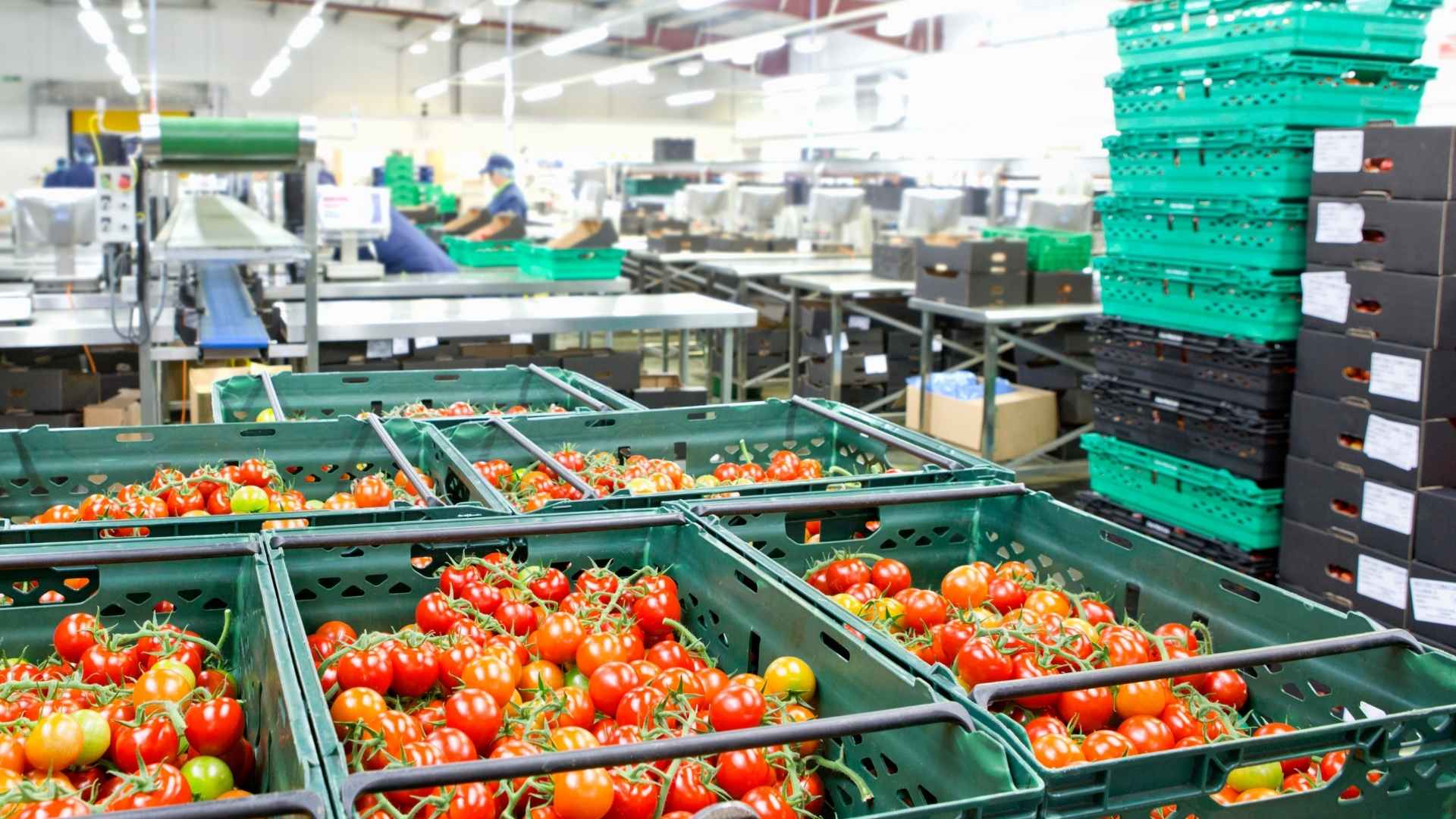
After leaving the farm, products move through processing, packaging, and retail systems. Inventory, pricing, and delivery schedules are all managed through connected platforms.
Grocery stores and restaurants rely on these systems to keep shelves stocked, reduce shortages, and manage changing demand. For consumers, this shows up as consistent availability and predictable pricing.
Why It Matters
When these systems work well, food moves efficiently and predictably. When they don’t, the effects are visible-delays, shortages, and higher costs.
Digital infrastructure helps reduce uncertainty across the entire process, from planting decisions to final delivery. It supports better use of water, labor, and transportation, while helping communities maintain stable access to food.
From soil conditions to store shelves, modern agriculture depends on coordination at every step. Most of that coordination now runs through digital systems working in the background-supporting the people and processes that keep food moving from farm to table.