
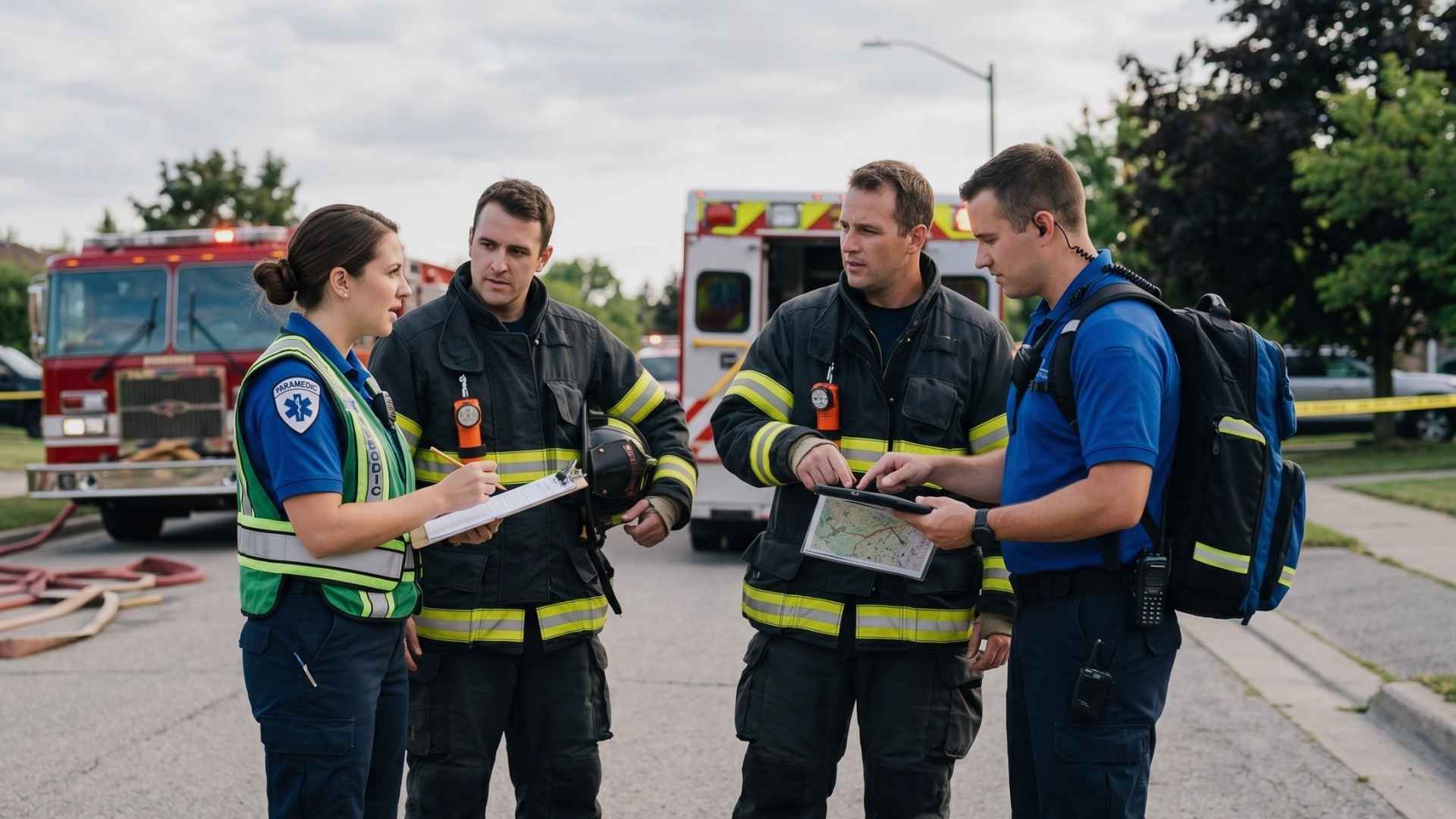
When an emergency happens, people expect a fast, coordinated response.
A call is placed. Help is dispatched. First responders arrive. But behind those moments is a system working to connect people, information, and resources in real time.
Today, emergency response depends not only on trained professionals, but also on digital systems that help them communicate, coordinate, and act quickly when it matters most.
From Call to Dispatch
The response process begins the moment a call is made.
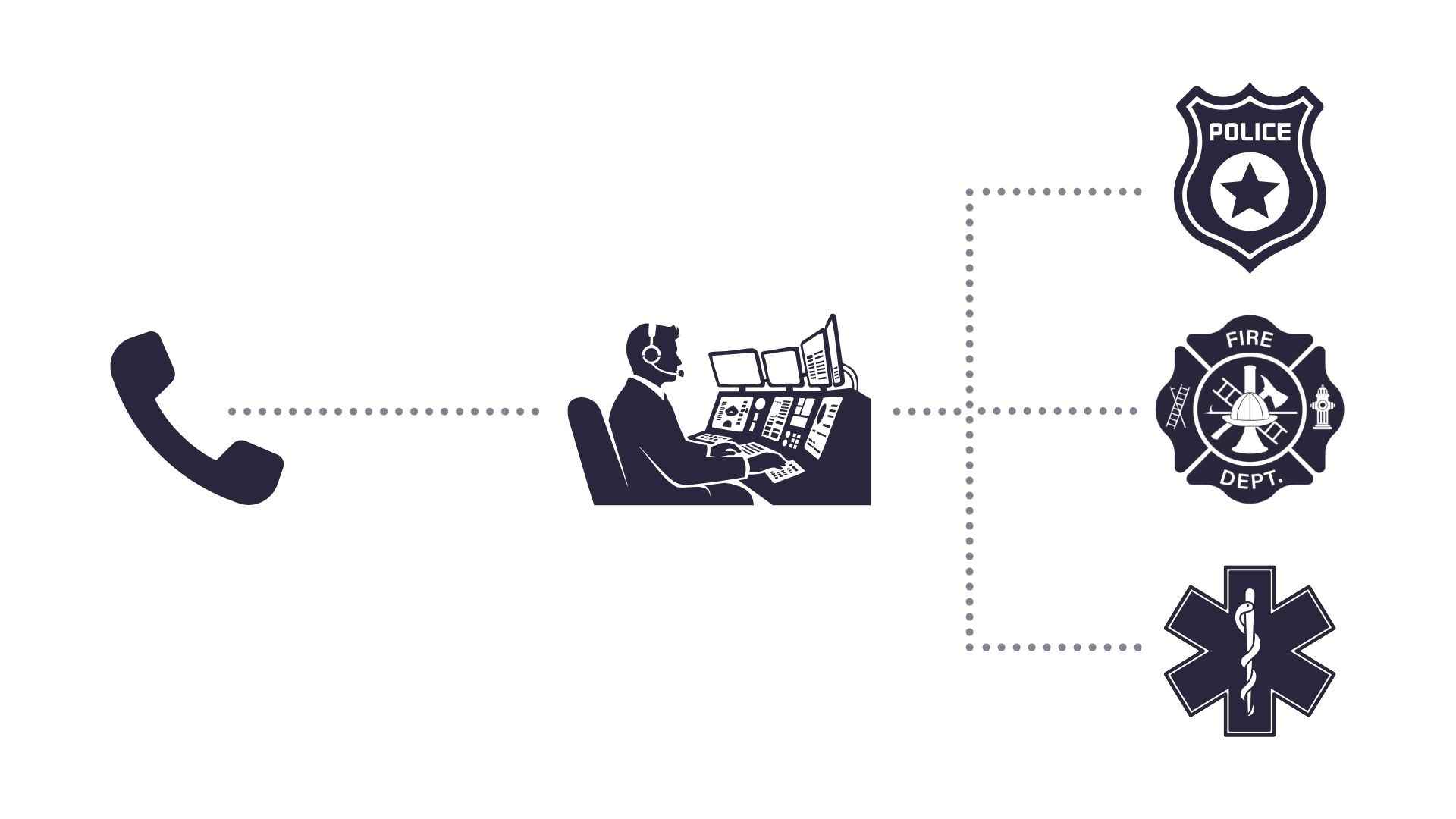
Modern dispatch systems identify the caller’s location, route the request to the appropriate center, and determine which resources should be deployed. This all happens within seconds.
These systems connect dispatchers with police, fire, and medical teams, allowing them to send updates, adjust response plans, and coordinate across agencies as situations evolve.
Real-Time Information in the Field
When responders arrive on scene, access to information can make a meaningful difference.
This can include traffic conditions, weather alerts, building layouts, or medical information that helps guide decisions. Instead of relying only on radio communication, responders can receive updates and share information as conditions change.
This improves coordination and helps teams respond with better awareness.
Coordination Across Teams
Many emergencies require multiple agencies to work together.
Fire departments, police, medical teams, and utility providers may all be involved in a single response. Digital systems help ensure these groups are working from the same information, reducing confusion and improving coordination.
This is especially important in larger or more complex situations, where timing and communication are critical.
Why It Matters
When systems are reliable, response is faster and more coordinated. Dispatch is accurate, communication is clear, and responders can act with better information.
When systems are not working as expected, delays can occur. Information may be incomplete or harder to access, and coordination becomes more difficult.
Digital infrastructure helps reduce these gaps, supporting more consistent and effective emergency response across communities.
Emergency response will always depend on people – the training, judgment, and experience of those on the ground.
But increasingly, it also depends on the systems that help those teams stay connected, informed, and coordinated when every second counts.