Project Snapshot
Campus Design
Multiple data centers, office buildings and other ancillary facilities (built in multiple phases)
Location
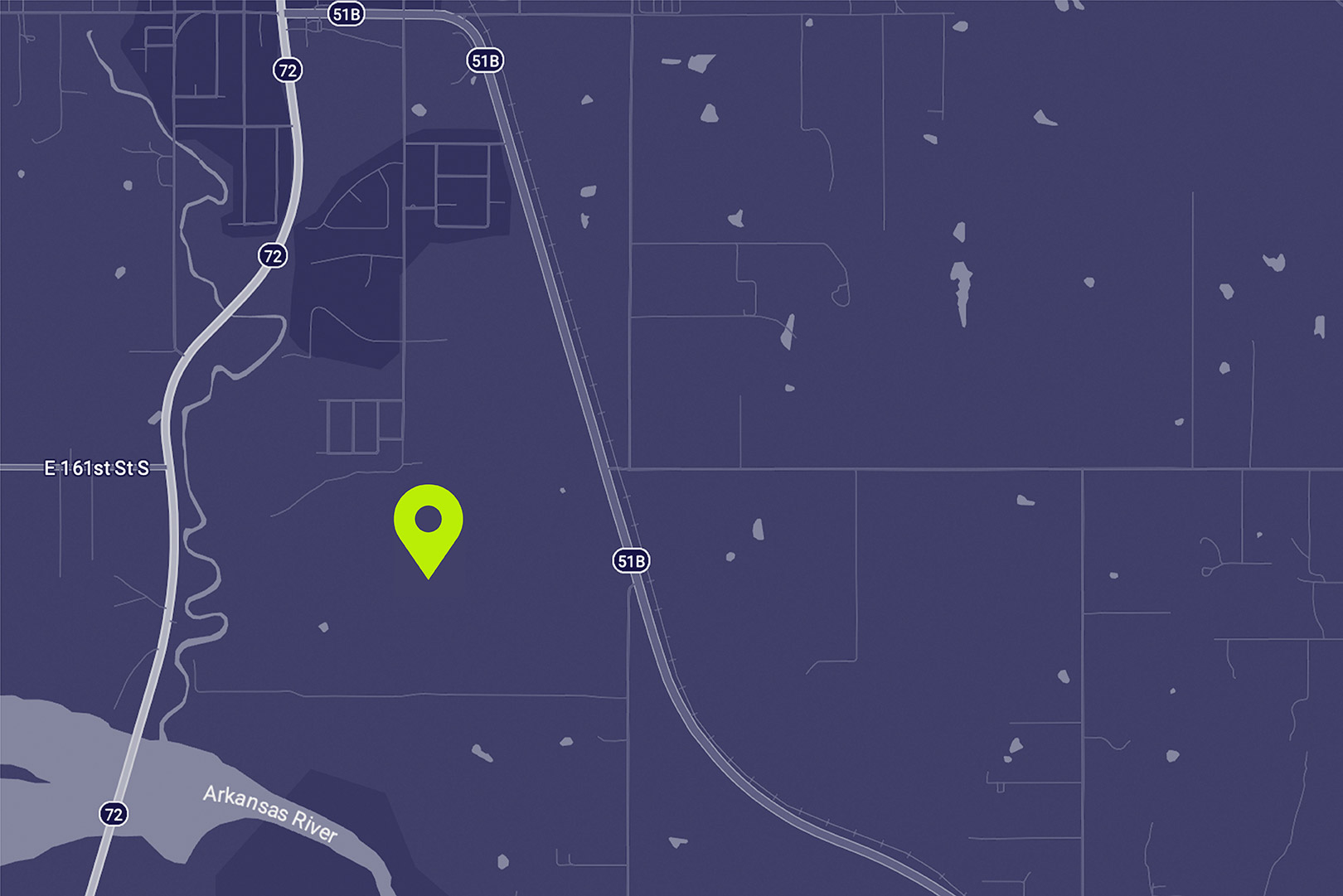
City of Coweta, Southwest of East 161st Street South and Oklahoma-51B
Utility Service Providers
Public Service Company of Oklahoma (PSO), Rural Water District No. 5 Wagoner County (RWD No. 5) for water, City of Coweta for wastewater
Community Benefits

Tax Revenue Independence
- Project expected to become one of the largest tax payers in the area
- Project is expected to contribute at least $5M annually in total to taxing bodies, including up to $3M+ annually to Coweta Schools at full buildout
- Project fees are expected to add millions per year to Cowetaʼs General Fund, providing funding to support Coweta Public Works Department, including water service, wastewater service, road infrastructure, parks, and municipal services like police and fire

Infrastructure Improvements
The project would privately fund infrastructure upgrades that will benefit Coweta residents, including:
- A new substation that supports energy reliability and resiliency to the area
- Roadway and traffic improvements to avoid traffic issues during construction and operations. Project would fund any roadway wear and tear during construction
- Water utility improvements to improve reliability and resiliency
- Atlas revenues contribute significant income for municipal improvements that benefit residents so tax payers do not have to

Job Creation
- 35+ on site in initial phase, growing as additional phases are added
- Average salary for operations employees of approximately $75k (with insurance, 401k and other benefits) with the potential to grow over time
- Hundreds of contractor employees, utilizing existing local business to support operations such as security, electrical maintenance, HVAC maintenance, food service, landscaping, janitorial, general building maintenance and more
- Provides economic opportunity for Coweta residents to stay in Coweta.

Developer Commitments
Atlas has committed to:
- Long-term community partnership and creating local workforce development programs to provide employment channels for construction and operations
- Prioritizing local hiring and supplier relationships where feasible to provide opportunities for Coweta and Wagoner county businesses and residents.
- Transparent ongoing communication with city leadership and residents
Site Plan
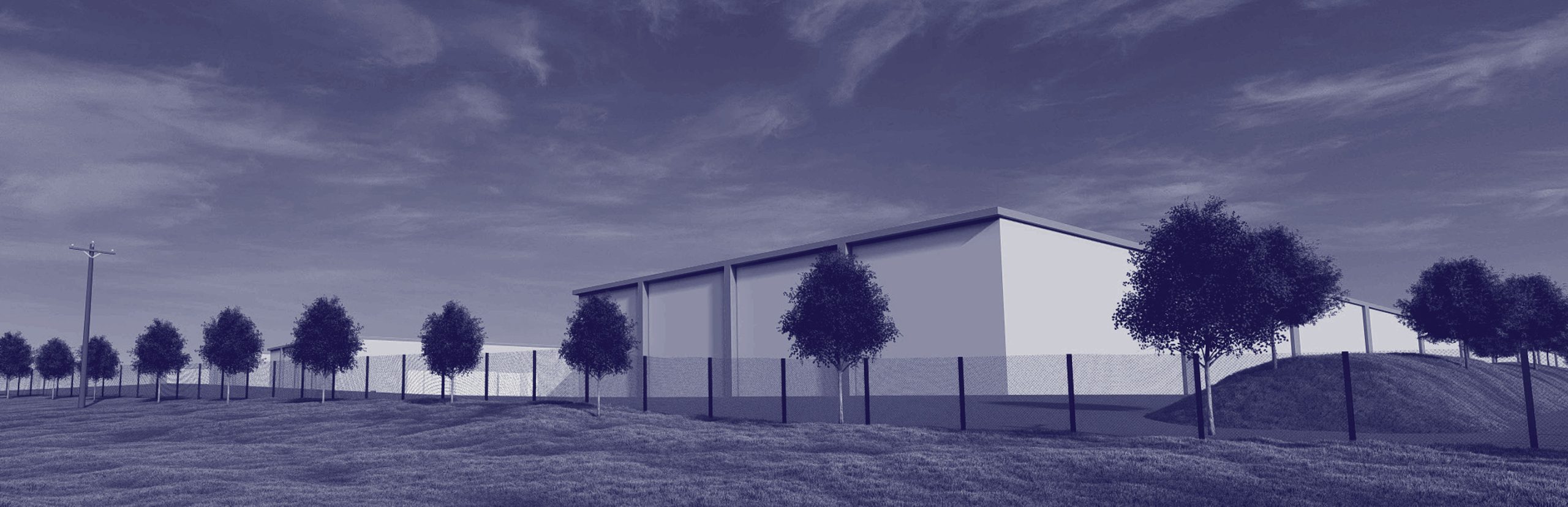
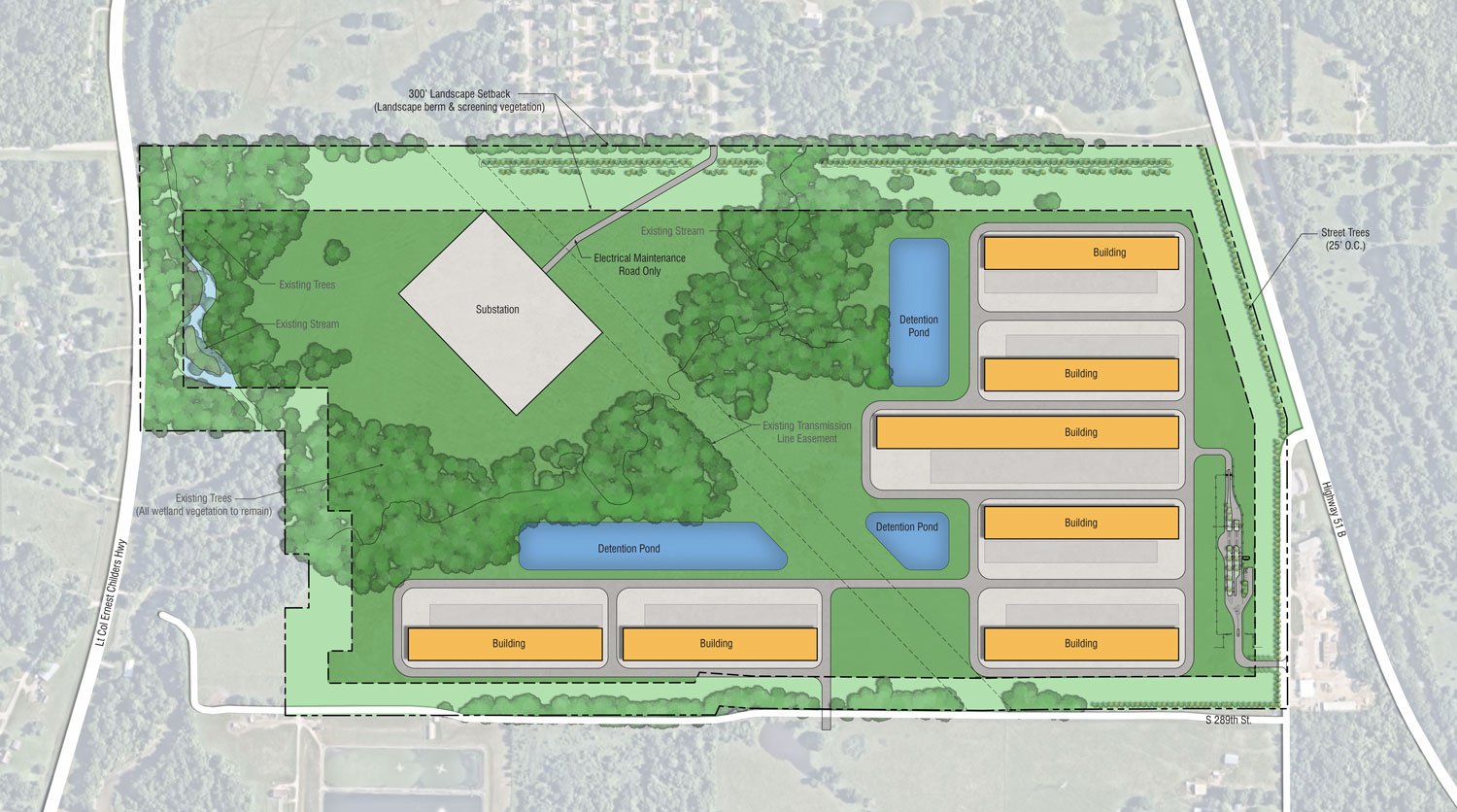
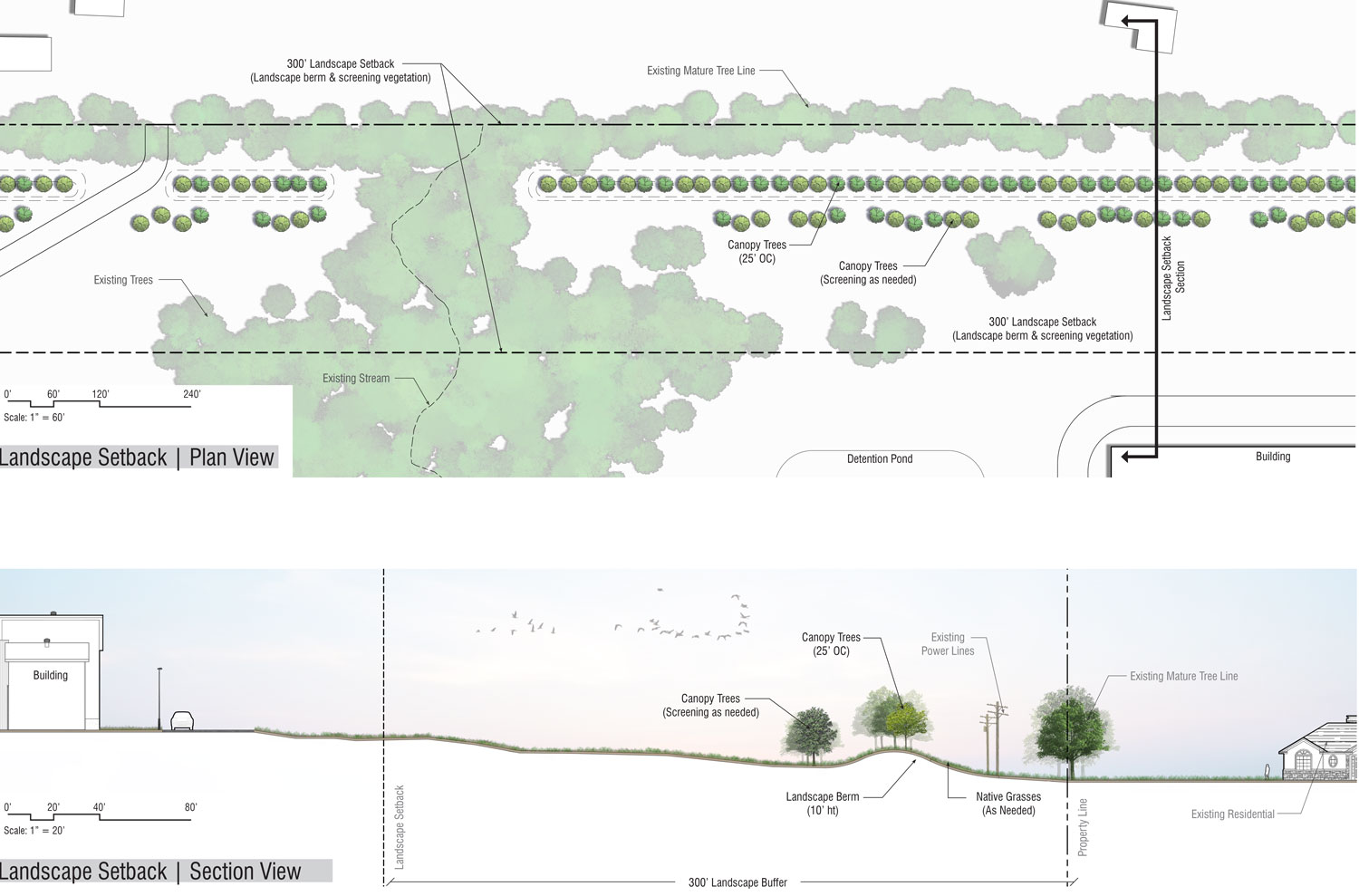
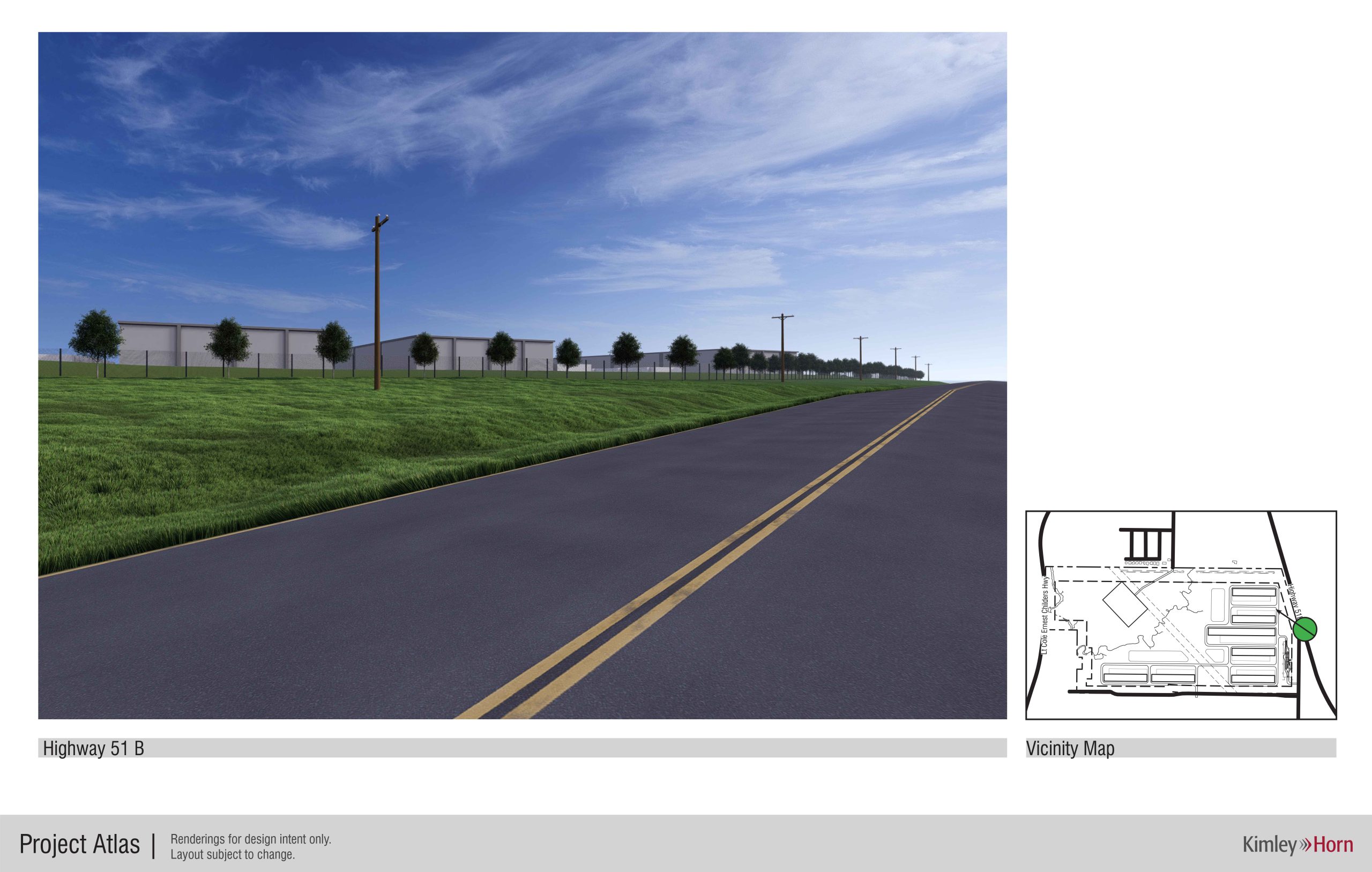
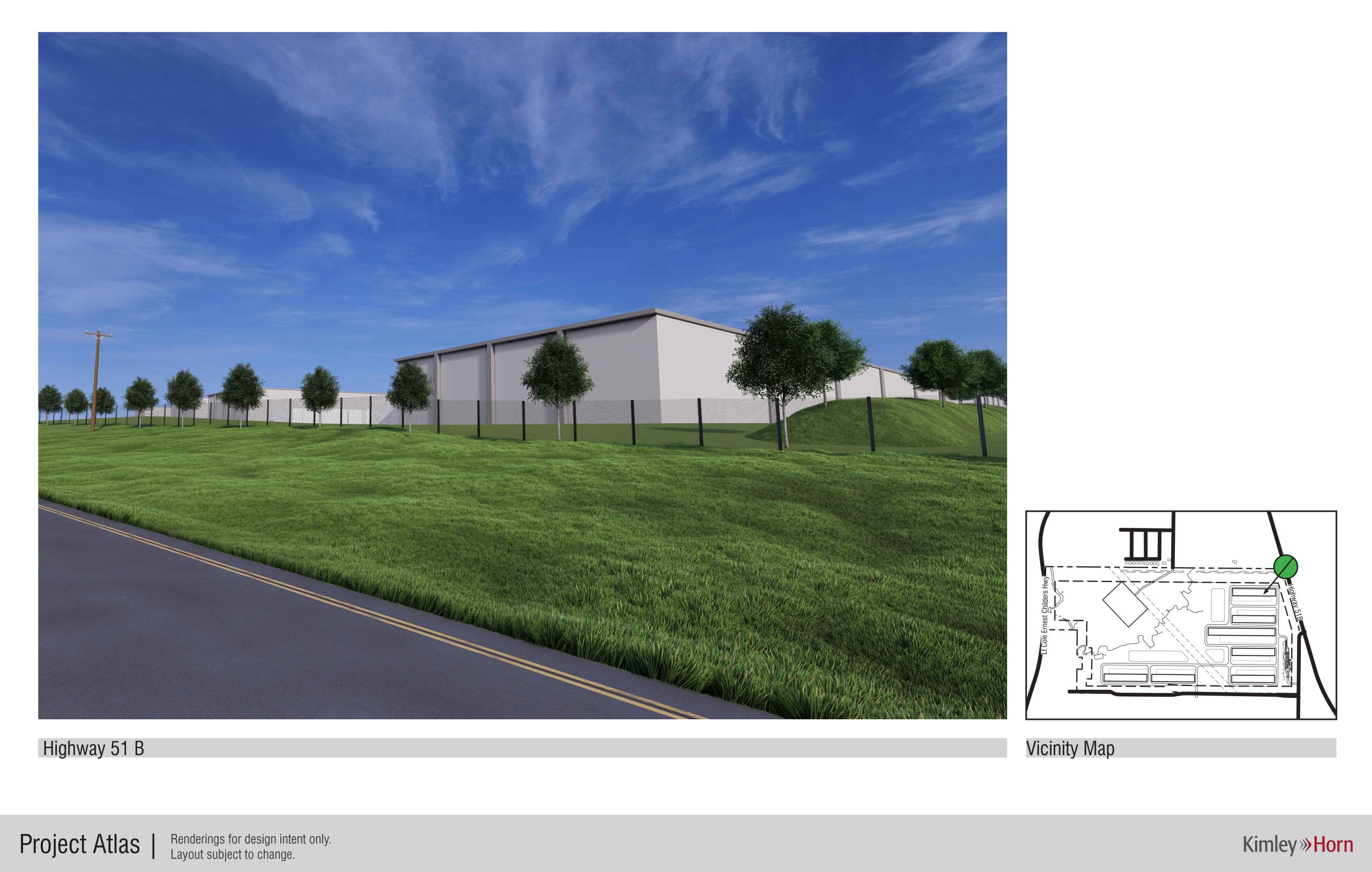
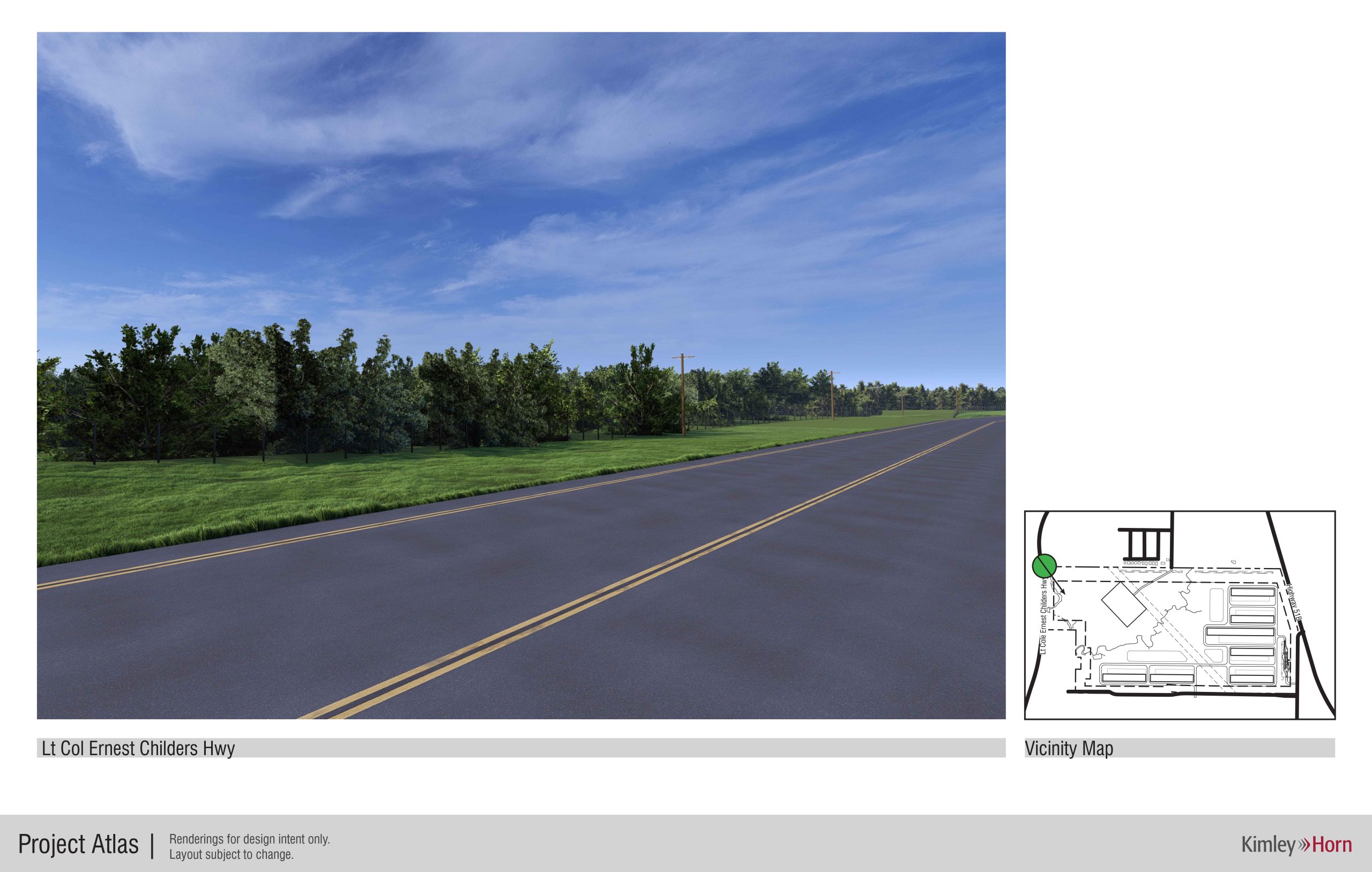
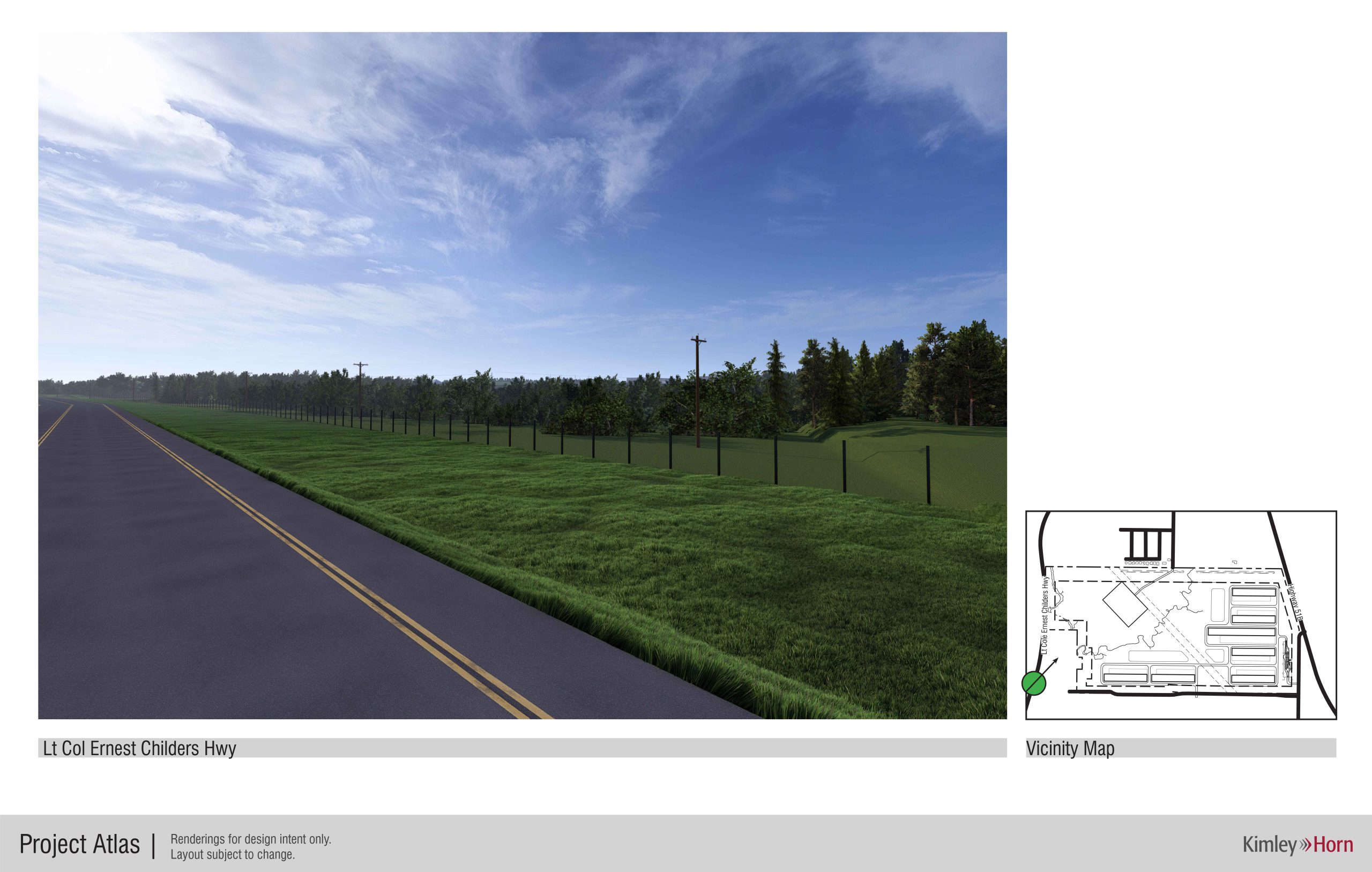
- 300 foot setbacks with significant investment to mitigate visual and sound impact
- 10 foot tall berms + 25 foot tall trees
- Heavy vegetative buffers
- Building height limit of 75 feet
- Sounds limitations at property line of 65 decibels (equivalent to the volume of a normal conversation)
- Sound studies report ambient sound in the area is currently at 53 decibels
- 65 decibels would be the max limitation of the project in the event of an emergency, not the average
- Downlighting set to a level equivalent to soft lit residential walkway or garden path
- The project does NOT include onsite generation of any kind including gas turbines, wind or solar generation
- S 297th E Avenue will not be a project entrance or exit during construction and operation. The substation will be accessible ONLY by PSO for occasional maintenance.
Other Project Elements
- Federal protection for existing customers: FERC regulations prohibit new demand from affecting existing customer reliability or rates. Southwest Power Pool (SPP) monitors and coordinates grid operations across 14 states.
- Serious oversight and safeguards: Oklahoma Corporation Commission mandates that growth pays for growth. PSO requires system studies to ensure reliability, and financial security, and minimum billing to prevent cost-shifting to residents.
- Better grid for everyone: Improved grid for everyone: New on-site substation, funded entirely by the project, enhances grid reliability for surrounding area and allows for future utility expansion.
- Large customers can actually help lower rates: Electric rate increases are being driven largely by aging infrastructure upgrades, extreme weather hardening, and transmission improvements. Large loads can actually reduce fixed costs per customer by paying for a bigger piece of the pie that otherwise would be spread across other customers.
- Transparent rate-setting process: All PSO rates go through public Oklahoma Corporation Commission process with approval by the statewide-elected Commissioners.
- Minimal Water Use Design: Project is estimated to average 15,000 to 20,000 gallons per day. This level of water usage is similar to two to three sit-down restaurants.
- Your water service stays strong: Atlas is working with RWD5 to identify any infrastructure upgrades that may be needed to serve the site to ensure good water pressure and high level of water service continues to existing customers. Any water lines or other upgrades needed will be paid for 100% by Atlas.
- Straightforward wastewater handling: Water will be served by Wagoner County Rural Water District No.5. Wastewater discharge (mainly bathrooms and facilities) will go to the City of Coweta Wastewater Treatment Plant to be treated.
- Standard service arrangement: Water from RWD No.5, wastewater to City of Coweta treatment plant. Project pays regular rates with no special discounts.
- Normal conversation level maximum: 65 decibel limit at property line, but project designed to operate at 55 decibels—only reaching max during emergencies, similar to a hospital.
- Comparable to current conditions: Existing ambient sound averages 53 decibels. Project adds minimal noticeable change to the area’s current sound environment.
- Quiet operations by design: Data centers lack the heavy machinery, production noise, and truck traffic associated with manufacturing or industrial facilities. This project is designed and built with the surrounding uses in mind.
- Soft garden path lighting: Think quiet residential walkway at night—that’s the maximum lighting level, very minimal.
- Dark buildings by design: Windowless structures with minimal outdoor lighting. Built for security, not to be seen.
- No big-box store glow: None of the bright parking lot lights or lit-up signs you see at shopping centers running all night.
- Neighbors won’t see light pollution: Downward-facing fixtures prevent light from spilling onto surrounding properties.
- Three layers of oversight: Oklahoma DEQ, EPA, and City of Coweta all issue required permits (stormwater, air quality, wastewater) before construction begins. This includes coordination and permitting with US Army Corps of Engineers and US Fish and Wildlife to ensure the safety of sensitive species and preservation of waterways.
- Regular inspections with enforcement power: ODEQ and EPA conduct ongoing inspections with authority to fine or shut down non-compliant operations.
- Water protection during construction: Required Stormwater Prevention Plan stops construction sediment and chemicals from reaching local streams—proven systems used successfully nationwide.
- Backup generators: Emergency use only, limited to 100 hours/year testing (federal law), strict EPA emissions standards, sound-dampening enclosures.
- Built-in safeguards: Natural wetland buffers, contamination prevention systems, International Building Code compliance, City Certificate of Occupancy required before opening.
- Atlas will provide Coweta with the revenue required to improve and maintain quality infrastructure, support schools, and fund police and fire. This would allow Coweta to be economically independent and not rely on numerous commercial or industrial developments.
- All the wetland, waterways and surrounding vegetation will remain untouched, preserving much of the natural landscape and habitats on the land.
- Minimal traffic compared to alternative uses for the land such as industrial manufacturing or a residential subdivision.
- No strain on schools or services: Limited number of full time employees means minimal new students.
- Tax revenue without service costs: Millions in annual taxes, minimal city services needed. Other developments generate less revenue but demand expensive infrastructure expansions.
- Quiet operations: No truck traffic, manufacturing noise, or loading docks. Extensive landscaping, setbacks up to 300 feet, and light and sound protection.
- Self-funded infrastructure: Beale pays for all road, water, and electrical upgrades. Other developments require city-funded investments that increase taxes.
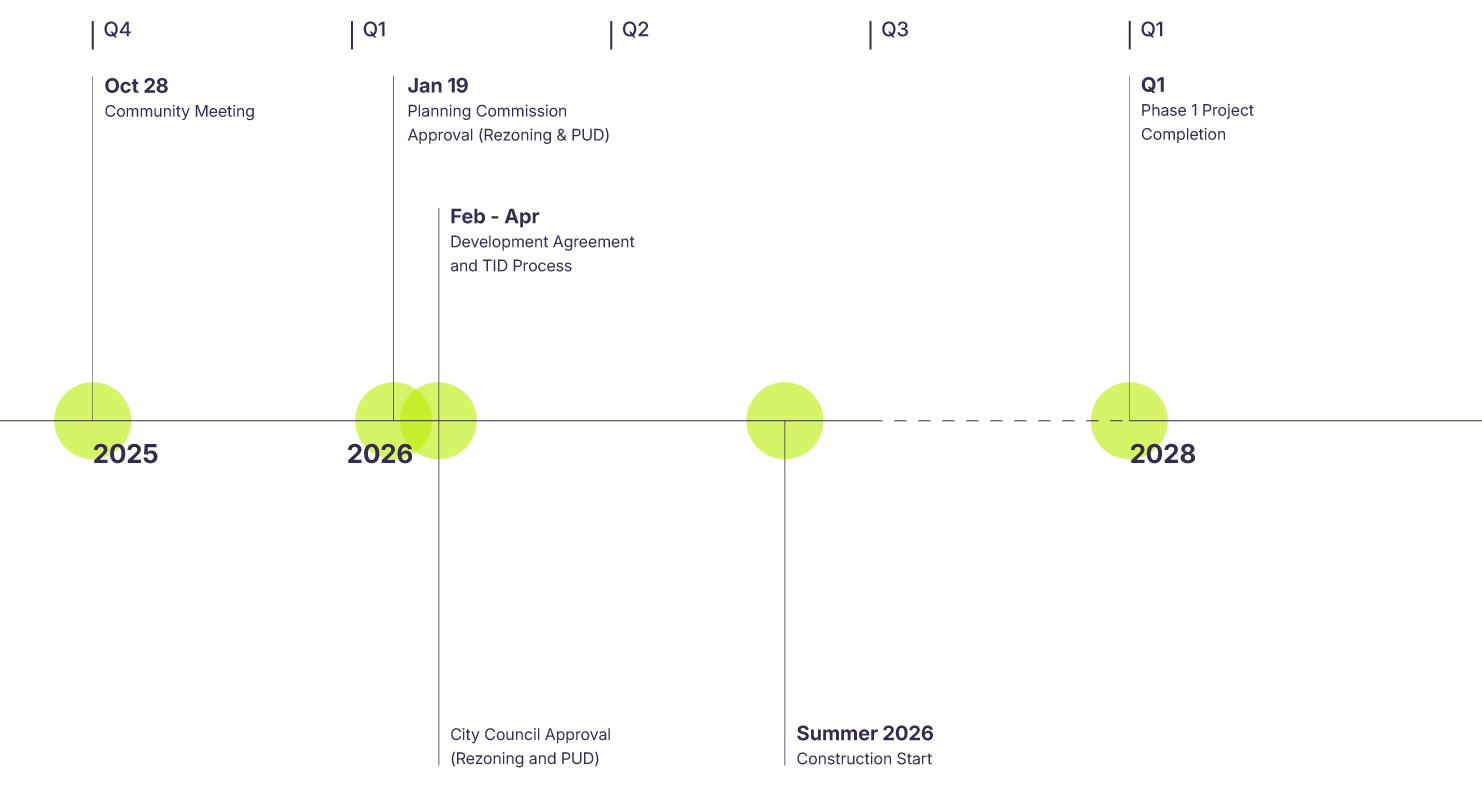
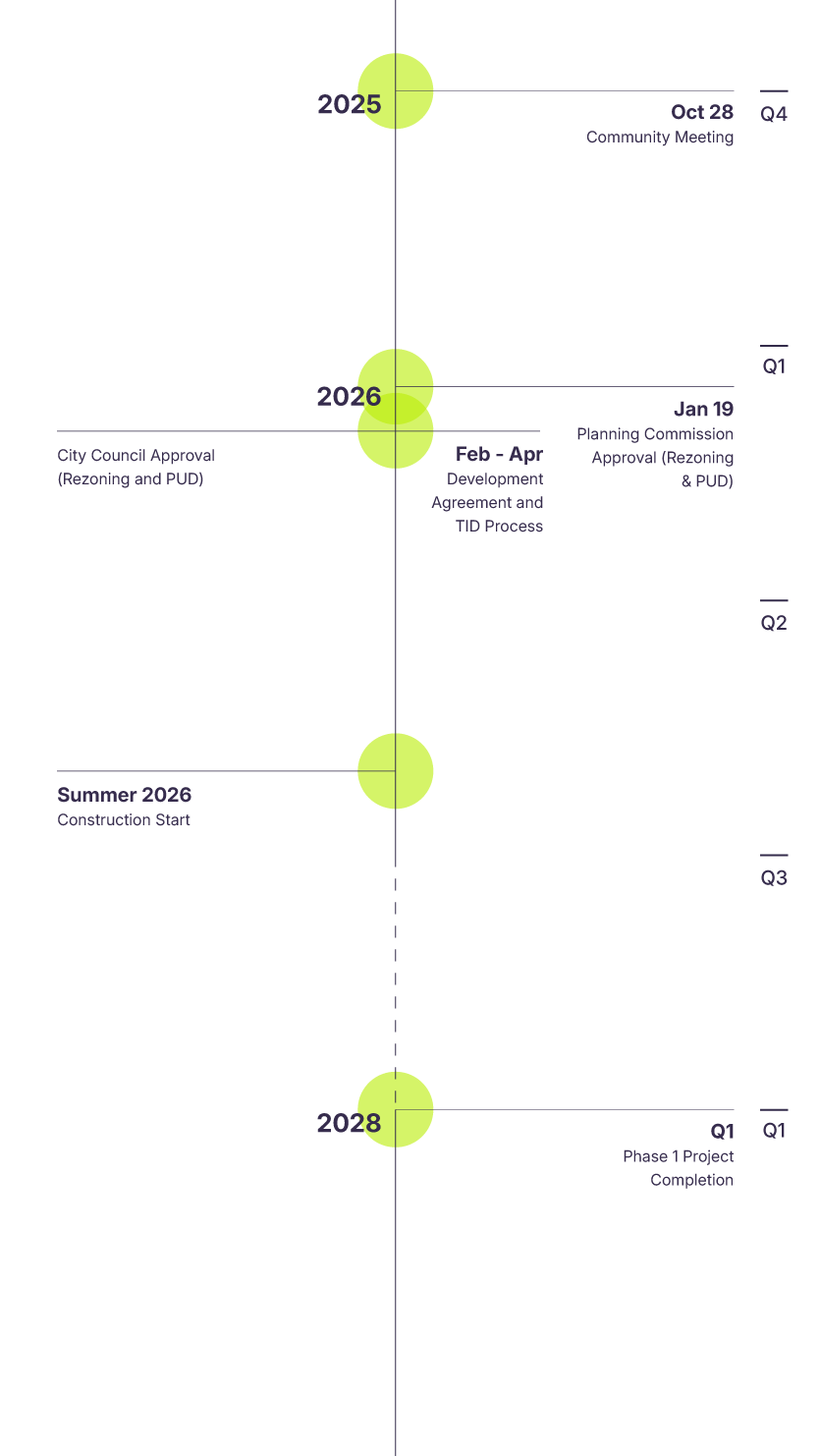
Project Timeline